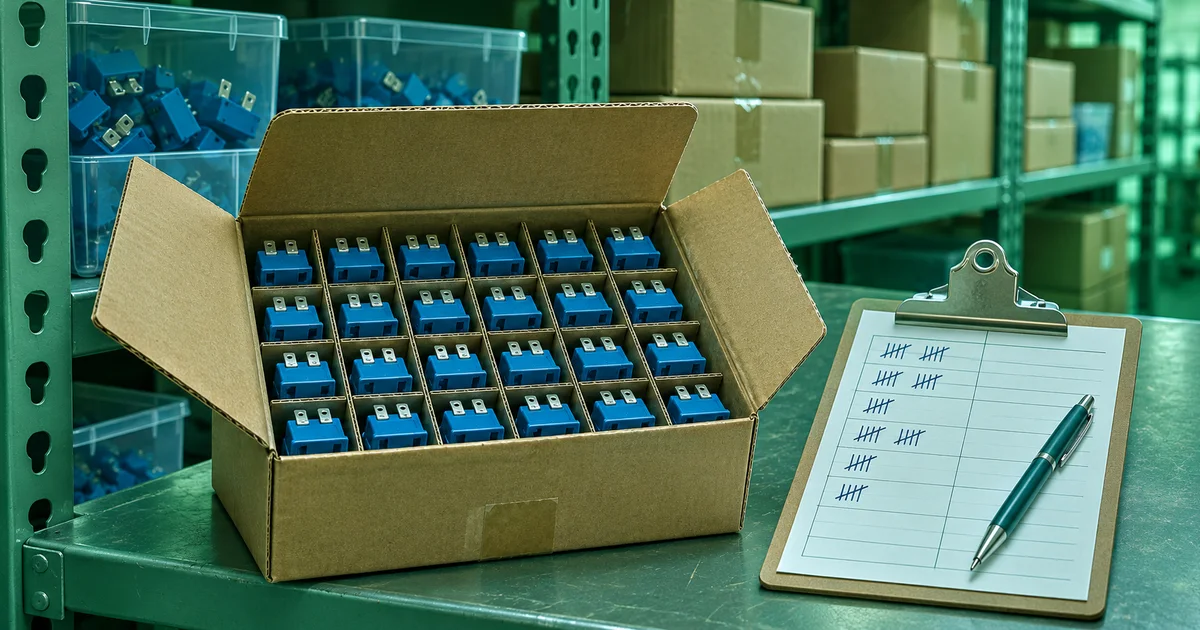
A stock count discrepancy is the difference between the quantity on the shelf and the quantity in your records at the same point in time. That last condition matters. If the stock report was taken before a dispatch and the shelf was counted after it, both numbers can be correct. An adjustment made too early can turn a timing difference into a genuine error.
Check the stock movements around the count
Start with the last reliable quantity and review receipts, dispatches, returns, transfers and damaged stock up to the count time. Ask for a reference and a timestamp for each movement. An item can leave the shelf before its dispatch is entered, and goods can arrive while a purchase is still waiting to be recorded.
Separate items sitting in receiving, returns or quarantine from items ready to sell. Decide whether transfers in transit belong to the sending location, the receiving location or a separate in-transit location during the count. Use the same convention in the records and on the floor.
Worked example: six units appear to be missing
The system shows 48 units and the shelf count shows 42 at 10:00. A packing note shows six units dispatched at 09:45, but the dispatch has yet to be recorded. The expected count after that movement is 42. Record the missing dispatch through your normal process and check the resulting balance. A separate stock adjustment of six would count the same movement twice.
If the dispatch was already recorded when the report was run, it cannot explain the difference. Recount the bin, check nearby locations and look for substitutions or an item with similar packaging before approving an adjustment.
Look for clues in the size of the difference
- One whole carton: Check whether the receiving entry and shelf count use cartons or individual units. A case of 12 may have been entered as one unit.
- The same quantity missing and gained in nearby bins: Check for an unrecorded transfer or a count made against the wrong item code.
- A recurring difference on the same item: Review where the item changes hands. Returns, job-site issues and damaged goods may bypass the normal recording step.
Make the next count easier to explain
Give the counter a location, item identifier and unit of measure. Record the count time and have another person recount unexplained differences where practical. For each approved adjustment, retain the count, the expected quantity, the reason, and who reviewed it. Use recurring causes to change the work process instead of writing off the same discrepancy at every count.
Once the on-hand quantity is reliable, you can make a better replenishment decision. See how to interpret a reorder point and the stock and inventory features in VELQRA.